


*This poster presents a consolidated overview of our entire research journey from initial exploration to final findings.
Scroll down to explore the complete process and see how the project evolved, step by step.

How it All Began
This project started with two simple keywords: Entertainment and Semi-literate.
At first, they seemed disconnected. But unpacking them revealed a powerful link: for many working-class people, entertainment is also information.
This raised our central curiosity:
What happens when semi-literate audiences rely on entertainment as their window to the world?
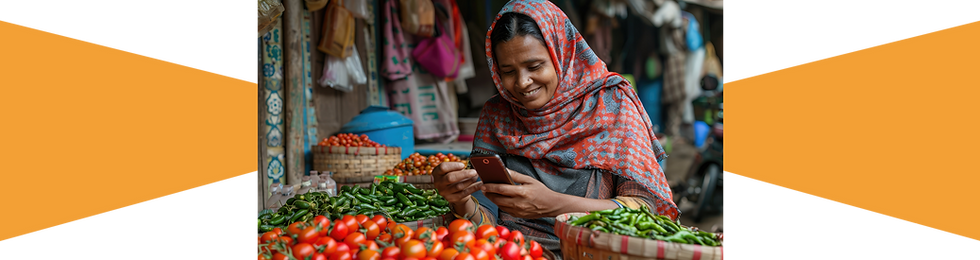
Unpacking the Keywords
What Do These Words Really Mean?


At first glance, they seemed unrelated, but together they opened up an important question -


Initial Research
Literacy & Semi-literacy in India
These gaps underscore why we focus on semi-literate users: they represent a significant portion of the population who may not fully benefit from standard digital literacy or communication strategies.
India's Census as well as the nationally representative sample surveys by the National Sample Survey Office (NSSO) consider a person to be literate if they are able to read and write a sentence in any language with proper understanding of what they are reading or writing.
1 in 5 Indians cannot read and write a sentence with proper understanding.
Who are Semi-Literates ?
Semi-literacy in India refers to individuals who possess basic reading and writing skills but lack the ability to fully comprehend, interpret, and analyze complex texts or numerical information.

To understand the scale of our user group, we looked at literacy trends in India. As of the 2023–24 PLFS, 80.9% of Indians (age 7+) are literate but this masks large gender, urban-rural, and state-level disparities. The Times of India
In the 2011 Census, literacy was 74.04%, with male literacy ~80%, female ~65% MoSPI+1. Moreover, many adults only attain primary level education or remain illiterate, indicating a large “semi-literate” population that struggles with complex text. Data For India

Entertainment in the lives of semi-literate individuals
Entertainment is not just about fun, it is their most common use of smartphones: reels, memes, YouTube videos, and WhatsApp forwards.
How Smartphones Brought Entertainment to the Masses

For many users, entertainment and information overlaps.
News, horoscopes, religious messages, and cooking tips often appeared in the same feed as jokes and reels. People didn’t always distinguish between “fun” content and “informative” content.
Misinformation & Fake News in India

Fake news is growing rapidly in India. During 2019’s pandemic period, fake news reports increased by 214% over prior years. Communications of the ACM
Analysis of 419 fake news items in India found six major themes: health, religion, politics, crime, entertainment, and miscellaneous ResearchGate. Social media is central in the spread, about 77.4% of fake news cases are traced to social platforms. www.ndtv.com
Among first-time voters, nearly 79% reported encountering fake news, with WhatsApp, Instagram, and Facebook as common conduits. The Times of India
India was recently ranked as the highest risk country for misinformation in the World Economic Forum’s 2024 Global Risk Report. news.umich.edu
These findings validate the urgency of your research: entertainment content, images, and short formats are among the main vehicles of misinformation.
...
This led us to ask,
If entertainment is a primary source of information, how do people decide what to trust?
Research Areas
Based on the Brainstorming and research done, we came up with possible research questions.

Question Selection
Why did we select it?
False information is one of the major threats that people around the world will face according to experts surveyed for the World Economic Forum’s 2024 Global Risk Report.
India is the country where the risk of disinformation and misinformation was ranked highest. Out of all risks, misinformation and disinformation were most frequently selected as the number one risk for the country by the experts, coming before infectious diseases, illicit economic activity, inequality (wealth, income) and labor shortages.
Taking into account the recurring themes that have emerged, which include:
Privacy
Credibility of Information
Addictive Content
we organised the research questions to develop a more refined one from which the following has been chosen.
Framing the Right Questions

WHAT
How semi-literate working-class individuals consume and perceive unverified information on social media and how are they shaping their beliefs and actions?
WHY
It examines the impact on their lifestyle, factors driving misinformation reliance and highlighting any need for necessary interventions.
Target Audience

People from the working class, such as watchmen, shopkeepers, street vendors (thela walas), and tea sellers (chai walas), often have a lot of free time, which they tend to spend on social media.
Scope of Research
What this research seeks to identify?
Key factors driving the reliance on misinfortmation (cultural relevance, trust indicators)
Challenges faced in assessing credibility and verifying information
Role of social influences and content relatability in shaping perceptions
Potential interventions to enhance awareness, digital literacy & critical thinking to combat misinformation.
Qualitative Research
What are we trying to look at ?

Field Research

Inferences Summary
We interviewed 15 individuals, and here is a summary of our findings.
Demographics & Social Context
Age Group: 20 - 41
Local service/businessmen
Media Usage Patterns
Avg of 2-3 Hours
Content Preferences
News, Soaps & Reels
Trust & Perception
Author/Content Owner,
“Likes and shares”, Shared by whom?
Cognitive & Emotional Impact
Didn’t admit to any
negative impact
Challenges & Barriers
Spam identification is tricky and apparently, no other challenges.
What They Said -

Inferences

Emotional and regional factors affecting the way in which content is percieved
Factor of trust if the content is shared between the contacts
People are aware that they spent a lot of time on social media but not admitting it.
People are confident about identifying fake content in social media.
More emphasis on regional
language content
Unaware of the
inherent biases
Gaps & Opportunities
What is the impact of regional Language content on social media in terms of semi literate people perceiving it compared to other content ? Also if regional language evoke emotions and trust in these cases ?
How semi literate people validate content in social media, the elements they look for while consuming content and impact of those elements ?

We failed...
According to our conclusions, we believe that our study was limited by the research method we chose, specifically interviews. We suspect that our interviewees felt intimidated during the process, leading them to provide manipulated answers to the questions posed, which in turn impacted our research outcomes.
The questions were structured to allow interviewees the freedom to think and share what they wished about themselves, altering the overall context of the study.
Research Phase II
Refined Research statement

This research seeks to comprehend how semi-literates perceive, assess, and respond to information online. It will investigate cognitive patterns, emotional reactions, and decision-making factors, including visuals, language, and social influence.
HOW ?

The comparative study was conducted with two groups:
Semi-literate and Literate individuals.
What is the scope of this research?

Perception & Processing
Analyze how semi-literates perceive
and process false information.
Decision-Making Patterns
Study their decision-making triggers, trust factors, and emotional responses to misinformation.
Information Differentiation
Assess their ability to identify and classify real versus false information through observation and sorting tasks.
Social Influence
Examine the role of social and cultural factors in shaping their judgments.
Cognitive Gaps & Vulnerabilities
Identify gaps in knowledge and patterns
of vulnerability to misinformation.
Foundational Insights
Provide insights for future studies on
media literacy and strategies to
counter misinformation.
What are we trying to study using these methods?

Community Outreach
Observes real-time reactions, non-verbal cues, and group dynamics when exposed to false information.

Card Sorting
Tests ability to classify info as real/false, revealing biases and criteria like source, content, or emotion.

Behavioural Analysis
Identifies how semi-literates process and share info, focusing on visual cues, language, and authority.

Five Whys
Uncovers root causes of trust/distrust by probing deeper into cultural, personal, and social influences.
...
Observations and sorting tasks will highlight biases, trust indicators, and gaps in critical thinking, while probing questions will uncover underlying beliefs. The findings will reveal patterns of vulnerability and resilience, shedding light on how misinformation spreads and impacts this group.
How did we design the research method?

Regional language makes content more relatable, trusted, and easier to comprehend.
Conversations often drifted because researchers and participants weren’t on the same page.
Colors, icons, and design cues shape how information feels more than the words themselves.
When uncertain, people rely on peers, familiarity, or intuition rather than fact-checking.
The same message is judged differently depending on whether it appears on WhatsApp, Instagram, or YouTube.
1. Card Sorting
Plan of Action
Step 1
Design cards that feature social media content, whether it's authentic or fabricated, on each card.
Step 2
Request the users to categorise the cards into two groups: authentic content and fabricated content, based on their understanding.
Step 3
Observes real-time reactions, non-verbal cues, and group dynamics when exposed to false information.

This will assist us in understanding the criteria that our target groups consider before interpreting any information.


2. Data Analysis

Parameters considered
How people make sense of different cards, as they will have different set of information in them.
Making sure each card has unique element that distinguish it from others.
Time taken for card sorting activity to be completed.

Groups considered
Age of the participant
Occupation of the participant

Data in Numbers
Points for each right or wrong action is given for card sorting, which will be used as primary data set.
Time data recorded will also considered.
3. Data Synthesis

Data Collection
- Statistical Test
Comparing how different parameters are influencing each other
Demographics v points
Time v points
Age v points
Occupation v points
Demographics v Time
- T - Test
Comparing how Semi Literate and Literate people respond to the research, Literate population as base.
Hypothesis

Semi-literate individuals in India possess the ability to differentiate between false and real information on social media, albeit influenced by factors such as visual cues, language familiarity, source credibility, and peer validation.
Card Sorting
Participatory Research Method
The activity involved one-on-one interactions with 40 participants (both literate and semi-literate).
Each participant received a set of 20 cards featuring news items sourced from social media; some were genuine while others were fabricated. The task required participants to distinguish between the real and fake news presented on the cards.
Scope of the Research
This research explores the ability of semi-literate individuals in India to identify false and real information on social media. It focuses on semi-literate individuals, primarily in urban and semi-urban areas, with comparisons to literate groups.
Activities include observing interactions with misinformation posters, interviews, and card-sorting exercises to assess content evaluation skills.

Target Group
Focus on semi-literate individuals, primarily from informal sectors (e.g., cab/auto drivers), with comparisons to literate individuals.

Geographical Focus
Accessible urban and semi-urban areas within NID’s locality for accessibility and relevance.

Behavioural Insights
Explore the role of visuals, language, trust in the source, and peer influence in shaping perceptions of misinformation.

Implications
Provide insights into cognitive and social factors affecting misinformation spread and suggest strategies to improve media literacy in semi-literate populations.
Activity Cards

Factors influencing Card Design

Branding and Credibility
If trusted logos and names heavily influence belief
AI Generated Images
If AI visuals confuse users in identifying authenticity
Tone of Communication
If emotional or authoritative tones sway perception easily
Current Events & Trends
If popular trends increase engagement & relevance
Familiar Contexts
Relatable topics resonate with regional and cultural contexts
Face Value of Celebrities
Do familiar faces enhance trust and content credibility
The Activity
The activity took place near NID Campus, Peenya Metro Station, Platinum City & BEL Road.

Sample Demographics

Performance Overview
Semi-literate Participants
57%
of FAKE cards sorted correctly

54%
Average accuracy score by the participants
74%
of TRUE cards sorted correctly
76%
Most accurate sorting by any participant
56%
Total % of cards sorted correctly
33%
Least accurate sorting by any participant
Inferences from the Data
(Semi-literate Participants)
Higher Accuracy for True Cards
Participants were better at identifying true cards (74%) compared to fake ones (57%). This suggests they find it easier to recognise legitimate information, possibly due to familiarity with credible content.
Overall Sorting Accuracy
The total percentage of correctly sorted cards (56%) indicates a moderate level of ability among participants to differentiate between true and fake information. This highlights room for improvement in media literacy.
Wide Range of Accuracy
The most accurate participant achieved 76%, while the least accurate was at 33%, showing significant variability in individual abilities to assess information.
Struggles with Fake Information
The lower accuracy for fake cards suggests participants may lack the critical skills or awareness needed to detect misinformation effectively.
Average Participant Performance
With an average accuracy score of 54%, the group demonstrates a mixed ability to evaluate information, reflecting diverse levels of critical thinking and awareness among the target population.
General Observations
(Semi-literate Participants)

Role of Credibility
It can be noted that one of our common observations during the research was the participants paid very little attention to the branding or credibility of the news.
Familiarity
They relied more on their prior knowledge and familiarity with the content. They dismissed fact checking for any news they were not familiar with.
Influences
Surrounding factors such as people, place, time and they activity they were doing also impacted their decision making skills.
Recognition of AI Content
They were also not able to recognise or identify any AI-generated content.
Face Value
They were very confident with their sorting when they saw any celebrity-related news. They also got excited to read what was the news in those cards.
Response Time
The response time to fake news was higher than that of true information.
literate Participants
73%
of FAKE cards sorted correctly
51%
of TRUE cards sorted correctly
70%
Total % of cards sorted correctly

73%
Average accuracy score by the participants
90%
Most accurate sorting by any participant
62%
Least accurate sorting by any participant
Inferences from the Data
(Literate Participants)
Fake Cards
Literate participants sorted 73% correctly vs. 57% by semi-literate participants, showing better critical thinking in detecting fake news.
True Cards
Semi-literate participants sorted 74% correctly vs. 51% by literate participants, indicating higher trust in true information.
Overall Accuracy
Literate participants (70%) outperformed semi-literate participants (56%) overall, reflecting stronger media literacy.
Average Accuracy
Literate participants scored 73% on average vs. 54% for semi-literate participants, showing more consistent performance.
Best Sorting
Literate participants highest score was 90% vs. 76% for semi-literate participants, highlighting stronger evaluation skills.
Least Sorting
Literate participants lowest score (62%) was higher than semi-literate participants lowest score (33%), showing a clear baseline advantage.
General Observations
(Literate Participants)
Intuition
Literate people were quicker in the activity as compared to semi-literates, they mostly went with their gut feeling of it being true or fake. Some news felt “fake” and “clickbait-y” to them.
AI Generated Content
They could easily recognise AI generated content and associated it with false information.
Face Value
The face value mattered to this group as well, they saw the faces and sorted it as they might be true.
Credibility & Branding
They often looked at the credibility of the source and the branding. What seemed legitimate to them source-wise they identified it as true information.
Skeptical Behaviour
They felt very skeptical of the true news because of the visual cues and marked them as fake.
Performance Overview


Familiarity Drives Accuracy
Higher accuracy in Finance shows participants perform better in familiar categories or commonly consumed information through TV or newspapers.
Emotional Bias
Lower accuracy in Religion and Health suggests emotional and cultural influence affects judgment.
Complexity Challenges
Technical categories like Health are harder to evaluate accurately.
Moderate Trends
Social Affairs and Entertainment show consistent, mid-level performance.
Participants rely on familiarity and emotions, highlighting the need for improved critical thinking in technical and sensitive areas.
...
Data recording from card sorting Data Heatmap

This data heatmap provides a comprehensive view of data distribution and variation in participants' responses.
The blue cells indicate the correct responses from the population.
This suggests that the literate group is better at identifying fake news
compared to the semi-literate group.
Comparison between
Semi - literate and Literate
LITERATE
SEMI - LITERATE

Data Representation


Data is transformed into percentages for enhanced comparison.
-
Series 1 represents correct responses
-
Series 2 represents incorrect responses from participants (P1, P2, ..., P19)
Data Transformed into Percentages for Enhanced Comparison
-
Series 1 represents the correct responses.
-
Series 2 reflects the incorrect responses from participants (P1, P2, ..., P18).
This indicates how each participant discerned between real and fake cards. For example, Participant 1 (P1) was able to accurately identify approximately 40% of the news cards.
This indicates how each participant discerned between real and fake cards. For example, Participant 1 (P1) was able to accurately identify approximately 80% of the news cards.
Data Synthesis
Data Collection
Data converted to numbers in terms of number of correctly identified cards among the set and calculated it out of 21, which was total number used for the test.
Total Number of participants - 19
Data Collection
Data converted to numbers in terms of number of correctly identified cards among the set and calculated it out of 21, which was total number used for the test.
Total Number of participants - 18
Statistical Test
Statistical Test


Mean is 11.4 which is less than half of the total no of cards
In shapiro-wilk test value is >0.05 which indicates there is more probability for this to be a normal distribution
Mean (11.4) and median (12) are very near which indicates a likelihood to be a normal distribution
Mean is 15.3 which is more than half of the total no of cards
In shapiro-wilk test value is >0.05 which indicates there is more probability for this to be a normal distribution.
Mean (15.3) and median (15) are very near which indicates a likelihood to be a normal distribution.
Statistical Test ( Analyzing the distribution)


Histogram
An evenly distributed single peak histogram is obtained for the dataset.
Q-Q plot
Deviation from the centre line is lesser in this Q-Q plot, indicates a data set with less variability.


Histogram
An evenly distributed single peak histogram is obtained for the dataset.
Q-Q plot
Deviation from the centre line is lesser in this Q-Q plot, indicates a data set with less variability.
-
Both Histogram and Q-Q plots are suggesting the distribution is normal
-
These inferences validate the data set fit for analysis
-
Histogram has a single peak, with a Datasets concentrated towards the center
-
Both Histogram and Q-Q plots are suggesting the distribution is normal
-
These inferences validate the data set fit for analysis
-
Histogram has a single peak, with a slight skewness towards the right
Comparative Scores -
Semi literate and Literate
Data Representation - Semi Literate v/s Literate

Difference in mean values of Semi literate and literate responses scores are giving a value of 3.9

Subtle Differences Between Populations:
The observed difference in mean values, though not substantial, suggests a minor distinction between semi-literate and literate populations. This subtle variation may reflect slight differences in cognitive or experiential factors influencing their responses, warranting further exploration.

Before going into the statistical methods this graph gives an overview of response of the participants to the card sorting exercise.
Data Synthesis
Comparing Sample Populations
Difference in Mean Values
The mean values of the two distributions, 11.4 and 15.3, reveal a difference of 3.9. While this difference is not large, it holds significance within the context of this study.
Implications for Statistical Testing
The relatively close alignment of the distributions may lead to a T-test result suggesting similarity between them. However, this should not overshadow the observed differences in individual performance metrics.
Validation of Normality
Statistical methods confirmed the normality of both distributions. This validation provides a robust foundation for conducting comparative tests to further investigate the relationship between the distributions.
Next Steps in Analysis
With the normality established, subsequent comparative tests will aim to uncover any nuanced interactions or relationships between these data sets, offering deeper insights into their behavioural dynamics.
T - Test ( Semi Literate v/s Literate )

Independent T test for Semi Literates and Literates are done and Mann-Whitney U test to check the hypothesis.
The hypothesis being distribution of data set for semi literate is not similar to literate.
Statistical Analysis Outcome
The Mann-Whitney U test conducted on the data from the card-sorting activity resulted in a p-value of 0.001, which is statistically significant (p < 0.05). This indicates that the two data distributions are similar in terms of their overall characteristics.
Distribution Characteristics
Similar distributions imply that the data sets share common underlying traits or patterns, reflecting the comparable nature of the populations involved in the study.
Mean Value Observations
Despite the similarity in distribution characteristics, a noticeable difference in the mean values was observed between the two groups. This suggests variations in response performance between the populations, though the magnitude of the difference is not substantial.
Interpretation
The findings highlight that while the populations exhibit similar distribution traits, the slight variation in mean response performance may point to nuanced behavioural or experiential differences worth further investigation.
///
The analysis reveals minimal differences between literate and semi-literate populations in their ability to validate information correctly online. However, the literate population demonstrates a slight advantage in performance, indicating a marginally higher proficiency in online information validation.
What may have been the problem?

*Two of the fake news identified as TRUE by the majority
Emotional Appeal
Stories about heritage evoke pride, while government job news taps into aspirations
Familiarity Bias
Similar real stories may have influenced assumptions.
Plausibility
Both topics align with believable narratives, reducing suspicion
Trust in Authority
Credible logos and official-sounding claims make the content seem authentic
Visual Persuasion
Good-quality images enhance credibility & make the content convincing

How can it be tackled?
Promoting Media Literacy
Educate individuals to critically evaluate sources, question authenticity, and recognize red flags in news articles or posts
Encouraging Fact-Checking
Introduce easy-to-use tools and reliable platforms where people can verify claims before believing or sharing them
Addressing Emotional Triggers
Educate on how emotionally charged content can cloud judgment, encouraging logical assessment over emotional reactions
Improving Content Transparency
Platforms should highlight credible sources, provide context for stories, and label unverified or misleading content
Cultural and Contextual Sensitivity
Tailor misinformation awareness campaigns to address themes specific to local culture, beliefs, and societal concerns
Fostering Skeptical Habits
Encourage users to ask, "Who benefits from this?" or "Is this too good (or bad) to be true?" to identify possible misinformation motives
Thank You !